Cybersecurity
Identity, secure architecture, monitoring, resilience and AI-enabled defensive workflows for connected systems.
IdentityDetectionResilience

Canadian AI Defence is an early-stage defence technology initiative focused on cybersecurity, autonomous systems, AI assurance, dual-use technology and strategic advisory for high-consequence environments.

Defence and critical infrastructure increasingly depend on software, data, connected platforms and artificial intelligence. Institutional control therefore depends on the architecture beneath the model: infrastructure ownership, access authority, data provenance, configuration discipline, recoverability and clearly assigned human decision rights.
Five capability areas connect engineering, assurance and institutional decision-making across the lifecycle of AI-enabled systems.
Identity, secure architecture, monitoring, resilience and AI-enabled defensive workflows for connected systems.
Human-supervised autonomy, agentic systems, resilient communications and operationally bounded intelligent platforms.
Evaluation, evidence, controls, change management and runtime monitoring for AI in sensitive environments.
Secure and resilient technologies with potential application across defence, critical infrastructure and regulated sectors.
Strategic advisory on sovereign AI readiness, assurance, secure architecture, technology evaluation and dual-use pathways.
For Canadian AI Defence, sovereignty is a practical systems question. It concerns who administers critical infrastructure, where sensitive workloads operate, how identities and software changes are controlled, how dependencies can be recovered, and whether decision authority remains visible when systems are under stress.
Explore the trust architecture →
Infrastructure choices, workload placement, continuity and jurisdiction-aware architecture.
Explicit identity and bounded authority for people, devices, services and autonomous agents.
Evidence, evaluation, telemetry and change control across the system lifecycle.
Decision rights, intervention paths and escalation remain visible and accountable.
Advisory engagements help leadership and technical teams define requirements, dependencies, assurance expectations and transition pathways before major pilots, architecture commitments or procurement activity.
Operating model, data and infrastructure dependencies, risk boundaries and priority use cases.
Identity, segmentation, data flows, integration boundaries, observability and resilience requirements.
Evaluation plans, evidence models, control ownership, lifecycle governance and monitoring.
Technical positioning, readiness analysis, partnership strategy and responsible commercialization planning.
A reference architecture connects identity, provenance, compute, AI, autonomous control and assurance so that material system changes and authority boundaries can be reviewed rather than assumed.
Long-form analysis examines infrastructure control, lifecycle assurance, autonomous-system governance and the institutional conditions required for dependable AI adoption.
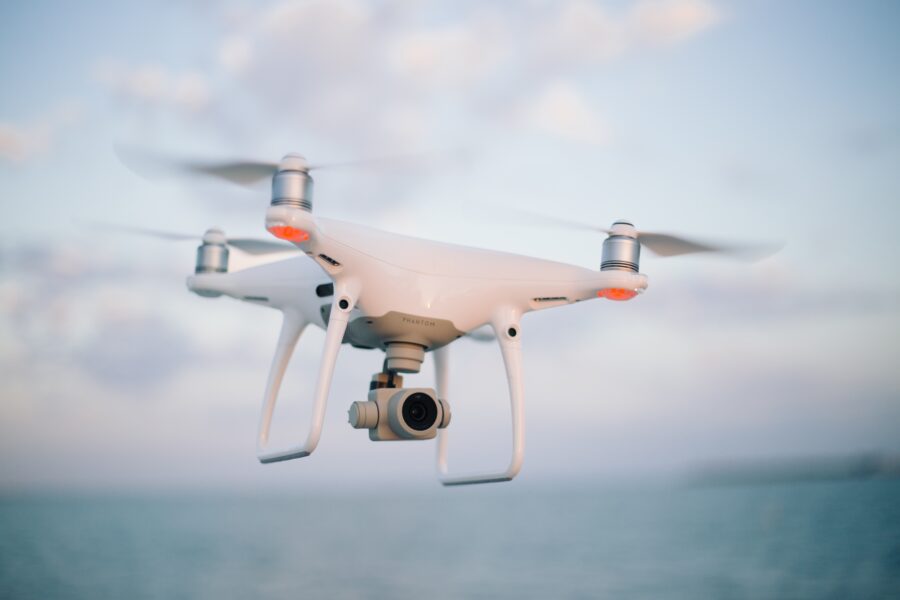
Trusted autonomy depends on explicit authority, operating boundaries, resilient communications, evidence and credible human intervention.
Read research →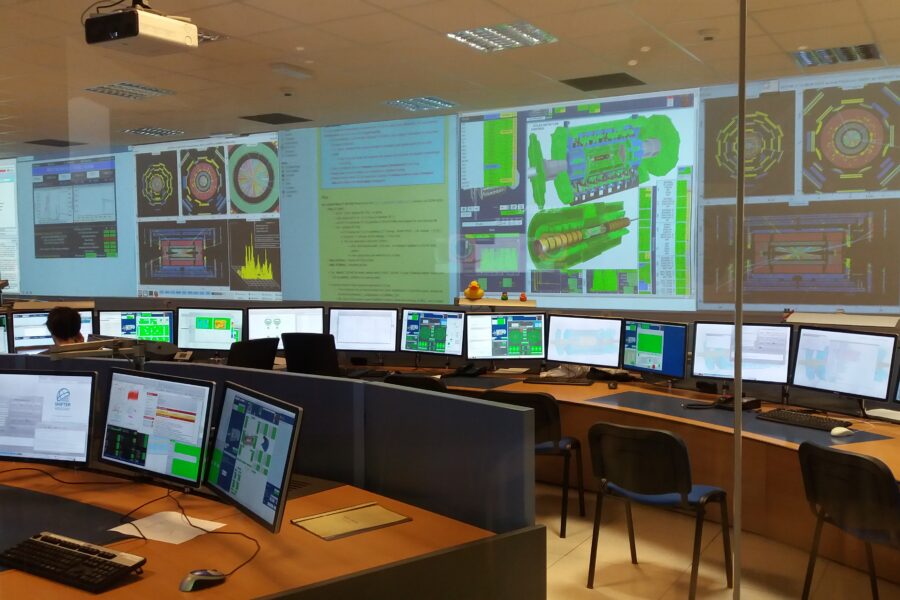
A practical framework for moving from isolated model testing toward lifecycle evidence, system assurance, runtime monitoring and accountable human oversight.
Read research →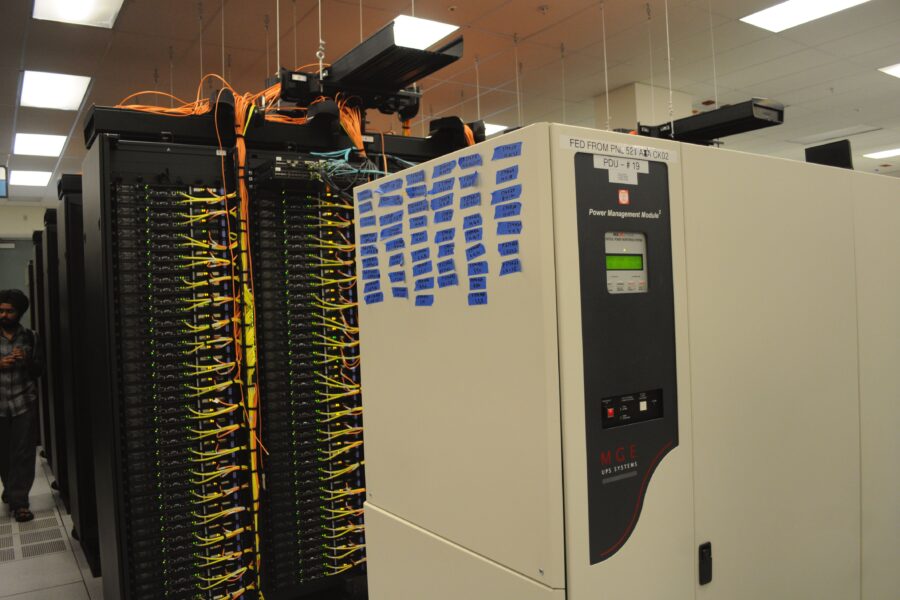
Sovereign AI is a system-design problem spanning compute, data, identity, software dependencies, assurance evidence, continuity and decision authority.
Read research →For research, technology, advisory, partnership and dual-use enquiries, use the institutional contact desk. Do not transmit classified, controlled or restricted information through the public website.
Contact Canadian AI Defence