
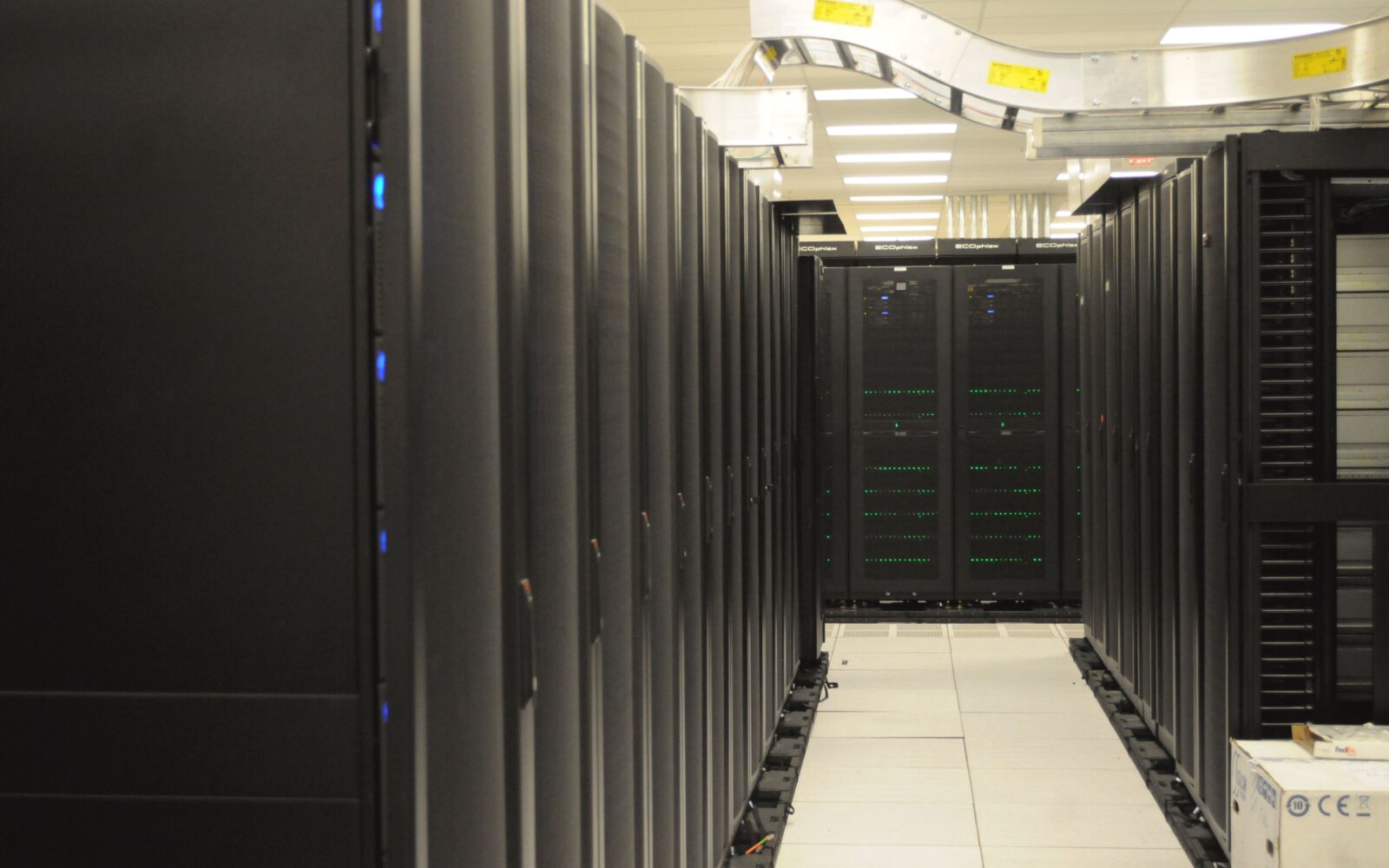
Protect identity, infrastructure and operational continuity.
Cybersecurity is treated as an architectural discipline spanning users, devices, services, AI agents, software, data and connected infrastructure.
Identity & access
Human, device, service and agent identity; privileged access; delegated authority; revocation.
Secure system design
Segmentation, least privilege, protected interfaces, controlled data paths and recoverable components.
Operational telemetry
Signals, event correlation, configuration awareness and evidence that supports investigation.
Continuity & recovery
Degraded-mode planning, restoration priorities, dependency management and configuration integrity.
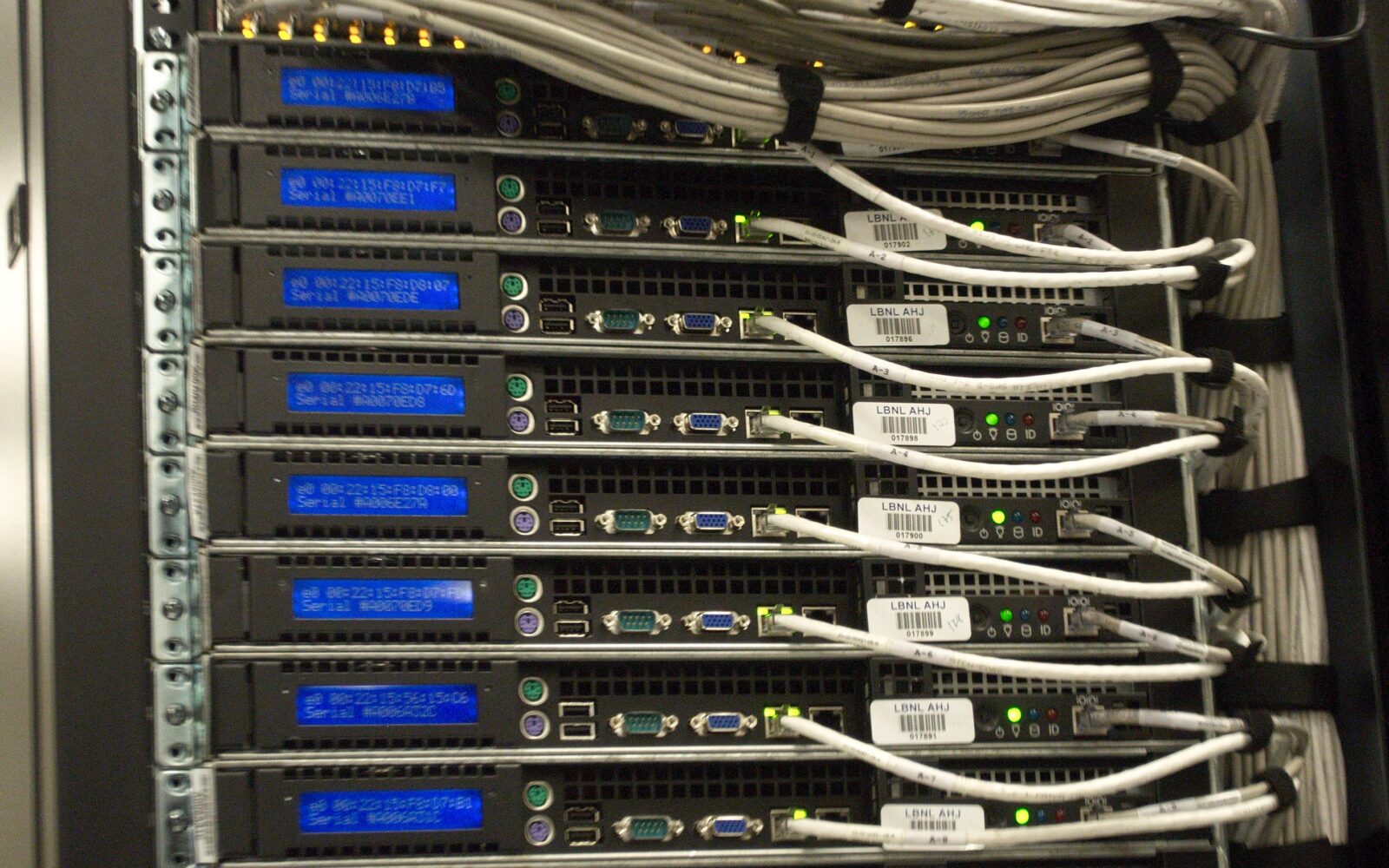
Bound machine action with explicit authority.
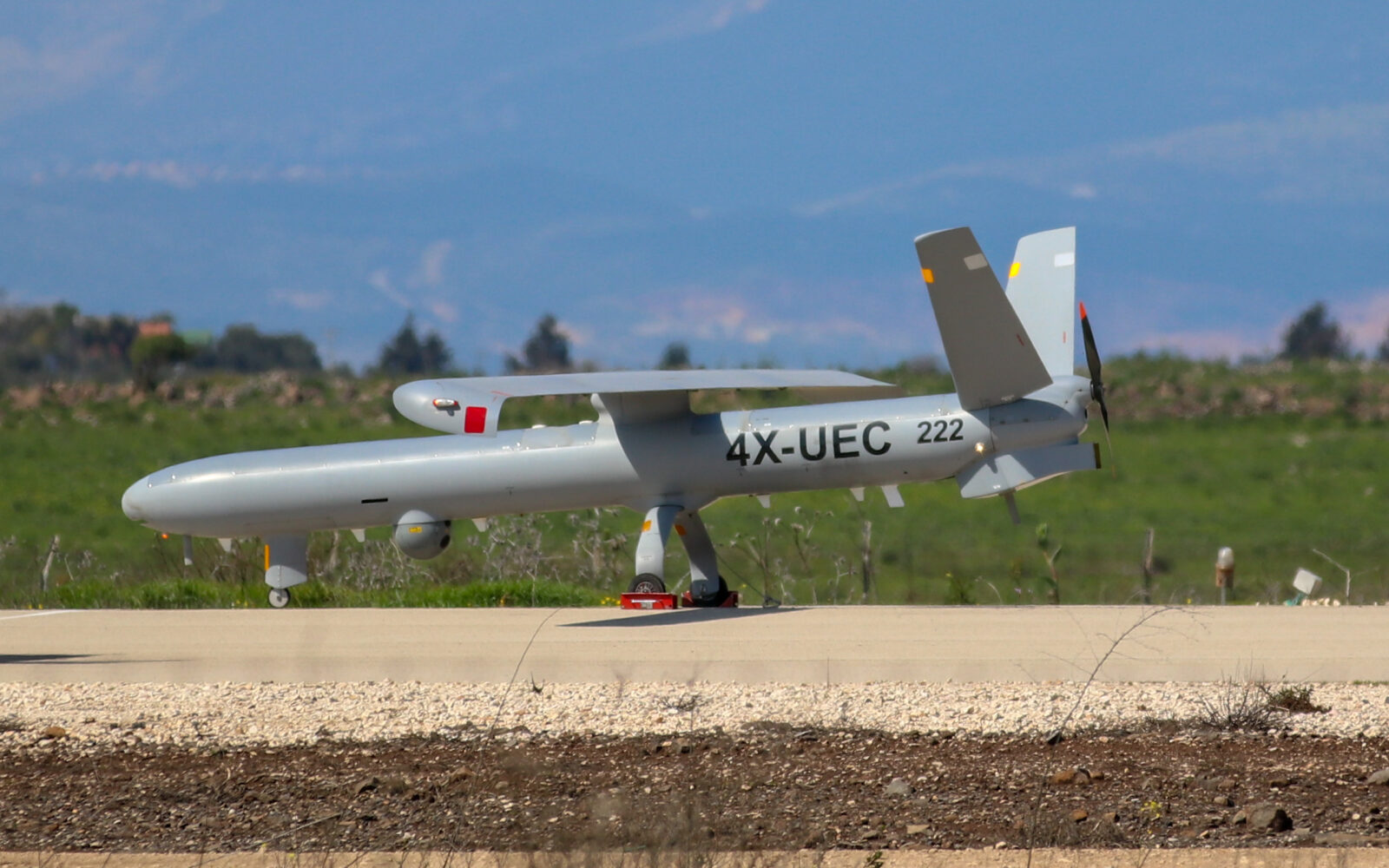
Research and development areas include intelligent agents, machine-assisted operations, robotics, uncrewed platforms, multi-agent coordination and resilient communications. The emphasis is on clearly defined permissions, system state, degraded-mode behaviour and credible human intervention.
System functions
- Sensing and state estimation
- Planning and task orchestration
- Agent and platform identity
- Human-machine interaction
- Communications-aware operation
Control requirements
- Defined operational boundaries
- Command authorization
- Safe-state and intervention mechanisms
- Degraded-mode behaviour
- Logs, provenance and after-action review
Create evidence for decisions about AI-enabled systems.
AI assurance connects technical evaluation with governance, configuration discipline and operating evidence across the system lifecycle.
Scenario testing
Representative evaluation, boundary conditions, failure analysis and controlled validation.
Evidence & provenance
Model, data, configuration and system-state records that support review and accountability.
Configuration discipline
Version awareness, dependency tracking, impact review and controlled release processes.
Operational assurance
Telemetry, exceptions, material changes, performance signals and escalation paths.
Develop capabilities that can transfer across demanding environments.
Secure compute, cyber resilience, sensing, communications, assurance and autonomous-system technologies may have legitimate application across defence, critical infrastructure, public safety, industrial operations and regulated enterprise environments.
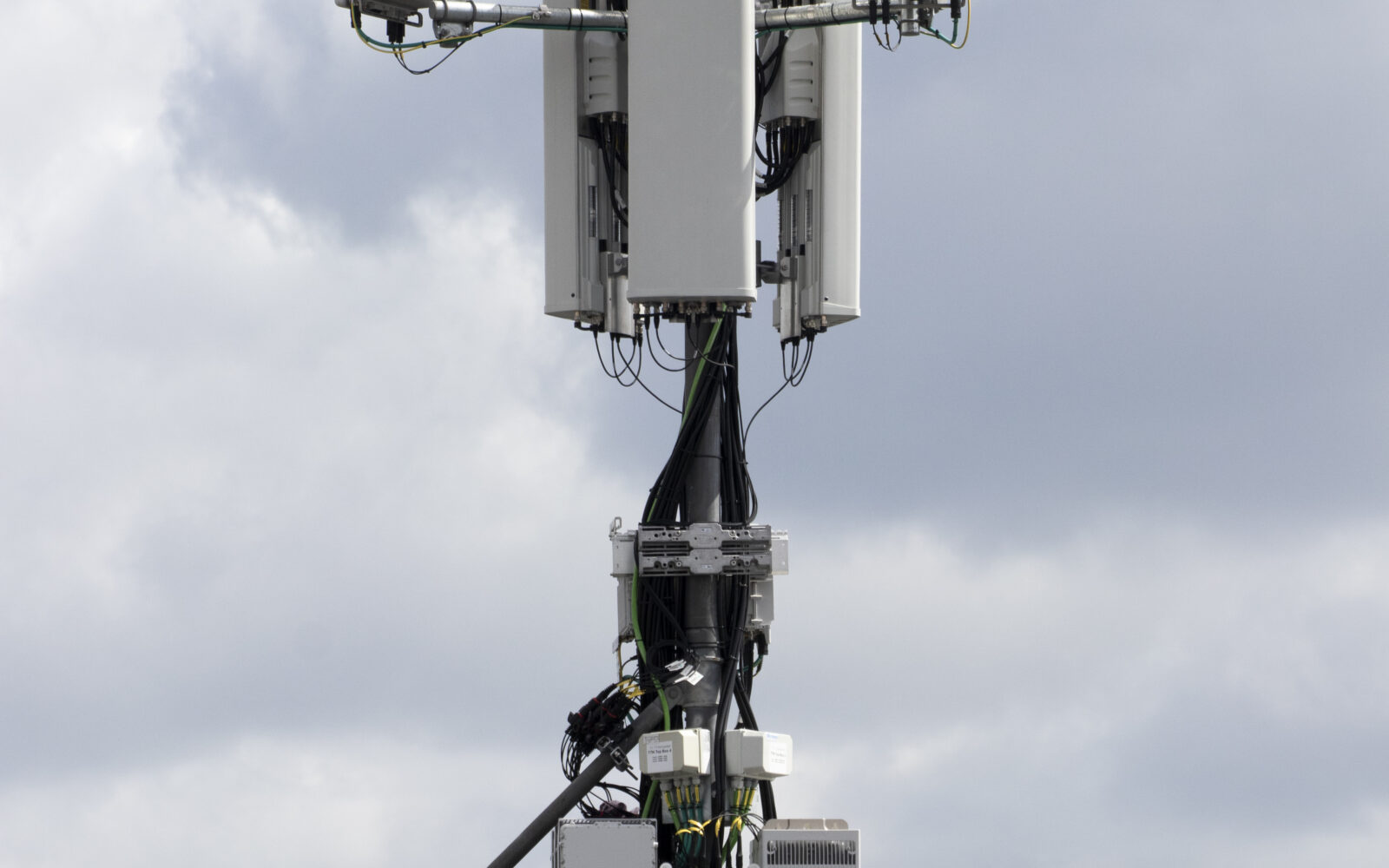
Responsible dual-use positioning
Application examples are presented as technology context. They do not imply approval, procurement, certification, export authorization or deployment by any government or defence organization.
Structure complex technology decisions before commitment.
Advisory engagements help leadership and technical teams clarify requirements, dependencies and assurance expectations before major AI pilots, architecture decisions or commercialization pathways.
Institutional readiness
Operating model, infrastructure dependencies, data conditions, use-case priorities and decision constraints.
Secure AI architecture
Trust boundaries, identity, data flows, integration patterns, observability and continuity.
Assurance strategy
Evidence models, evaluation plans, control ownership, monitoring and acceptance criteria.
Technology pathway
Readiness analysis, partner strategy, technical positioning and responsible commercialization planning.
Engagement formats
Focused assessments, executive workshops, architecture reviews, assurance-readiness engagements and technology roadmaps. Final scope is defined against the client’s operating context and information-handling requirements.