
Technology, assurance and advisory for high-consequence AI systems.
Canadian AI Defence is an early-stage defence technology initiative focused on cybersecurity, autonomous systems, AI assurance, dual-use technology and strategic advisory.
The organization is being developed around a practical institutional requirement: AI-enabled systems must remain secure, understandable and governable when they interact with sensitive data, critical infrastructure, physical systems or consequential decision processes. Our work therefore spans engineering architecture, evidence, operational resilience and accountable human decision rights.
Control
Define ownership, authority and dependencies across compute, identity, data and software.
Security
Integrate cyber resilience, access discipline and recovery into the system architecture.
Evidence
Create reviewable records through evaluation, provenance, telemetry and change control.
Authority
Preserve clear intervention, escalation and acceptance responsibilities for people.
A focused platform for defence and dual-use technology.
Canadian AI Defence brings research, technology development and advisory work into a dedicated institutional platform for high-consequence environments. The operating focus is on system control, assurance, cyber resilience, accountable autonomy and the technical foundations required to support dependable AI adoption.
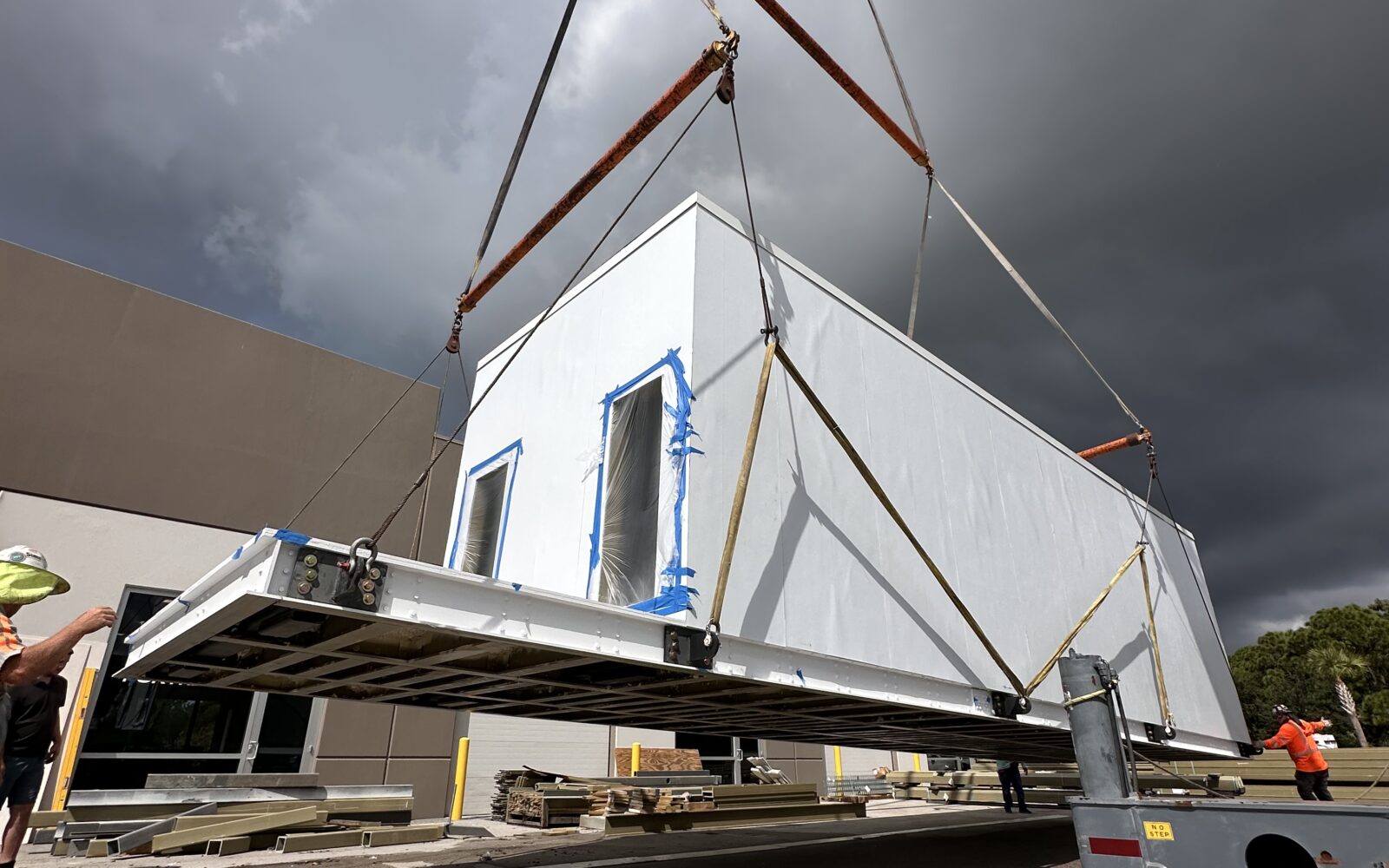
Early-stage and independently operated
Public materials describe current research priorities, advisory offerings and developing technical architecture. They should not be read as representations of government procurement, operational deployment, security clearance, certification or endorsement.
From institutional requirements to reviewable technical evidence.
Define
Establish the intended use, operating constraints, decision rights and material risks.
Architect
Map trust boundaries, data paths, dependencies, identities and failure conditions.
Develop
Prototype bounded capabilities and reference implementations in controlled environments.
Evaluate
Generate evidence through testing, configuration control, telemetry and human review.
Transition
Plan integration, governance, supplier, commercialization and procurement-readiness pathways.